
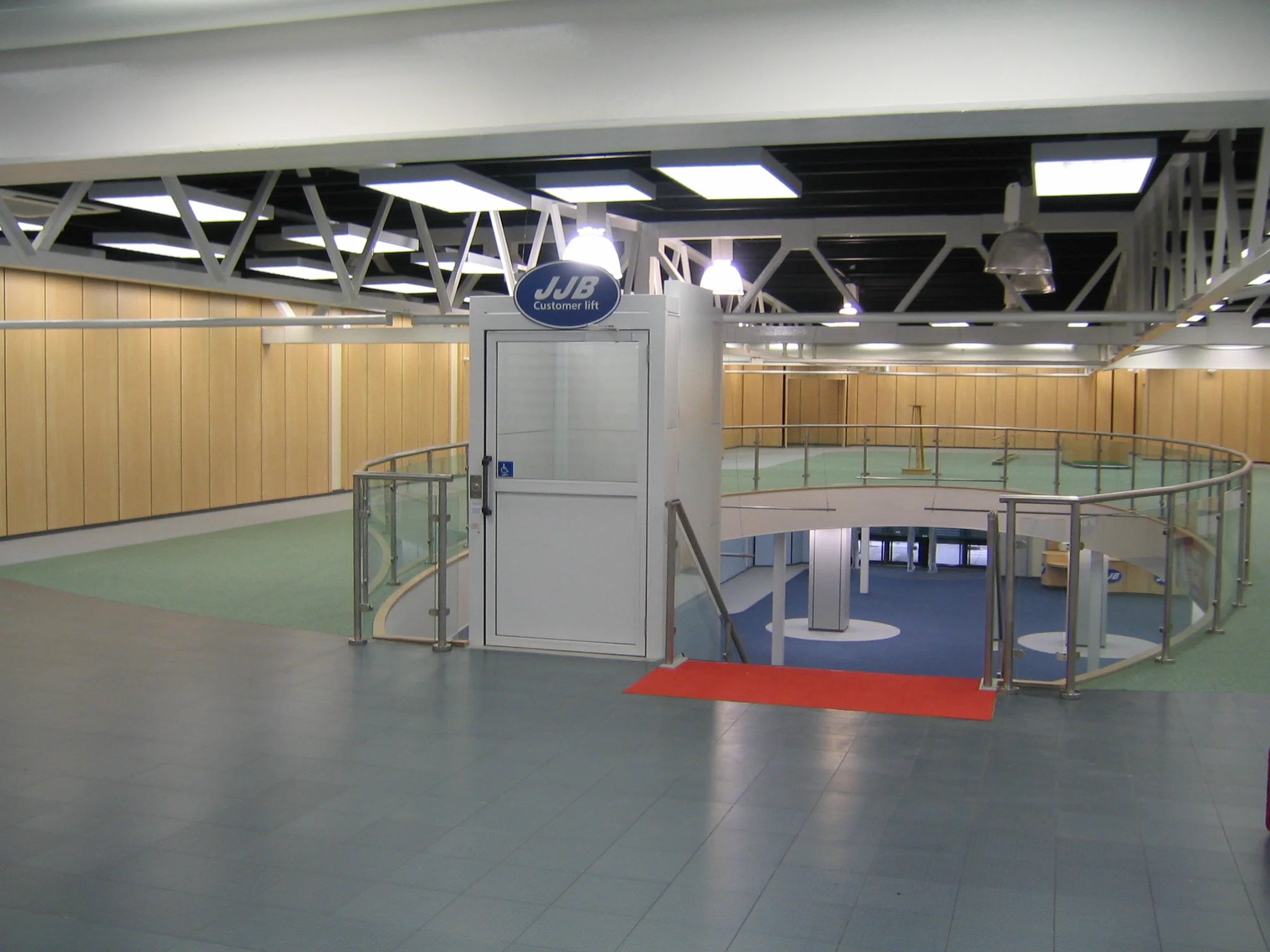
A mezzanine floor can transform your workspace, adding valuable square footage without the need for relocation.
Plus, with prices as low as £100 per square metre, compared to £2000+ for a permanent brick-and-mortar extension, it’s exceptionally cost-effective.
Here, we’ll examine what the mezzanine floor installation process involves and how long will it likely take.
We’ll walk through the key stages and potential disruptions you might encounter when upgrading your workspace design with this fantastically versatile solution.
Planning and Preparation
As the old saying goes, if you fail to plan, you plan to fail! Fitting a mezzanine floor is no different.
The planning phase typically involves:
- Site surveys and structural assessments
- Design consultations to tailor the mezzanine to your needs
- Obtaining necessary permits and ensuring compliance with building regulations
During this stage, disruptions to your daily operations should be minimal except for any meetings and site visits from the installation team.
The Installation Process: What Happens on Site
The actual installation of mezzanine flooring is where you’ll see the most activity.
Here’s what you can expect:
- Delivery of materials: Ensure clear access for deliveries and designate a storage area.
- Assembly of the structure: This involves erecting support columns and beams.
- Flooring installation: The actual floor surface is laid on the frame.
- Finishing touches: Including staircases, handrails, and any additional features.
During this phase, there will be some noise and movement of workers and materials.
You may need to temporarily relocate staff or equipment from the immediate area.
How Long Does Fitting a Mezzanine Floor Take?
The duration of a mezzanine floor installation can vary depending on the size and complexity of the project. Generally, you can expect:
- Small to medium installations: 1-2 weeks
- Larger or more complex projects: 3-4 weeks or more
Your mezzanine floor provider should give you a more accurate timeline based on your specific project.
Managing Business Disruptions
While installing an office mezzanine floor will cause some disruption, there are ways to minimise the impact:
- Schedule installation during off-peak hours or weekends if possible
- Communicate clearly with staff about the project timeline and any temporary changes
- Consider a phased installation approach for larger projects
Post-Installation: Final Checks and Handover
Once the mezzanine is installed, it will undergo final inspections to ensure that everything meets safety standards and your specifications.
This is also when you’ll receive guidance on maintaining your new mezzanine floor.
Mezzanine Floor Costs: Budgeting for Your Project
While mezzanine floor costs can vary widely depending on size, materials, and specific requirements, it’s an investment that can increase your usable space without the expense of relocating.
Be sure to discuss all potential costs upfront, including any additional features or modifications you might need.
Spaceway offers a nifty mezzanine floor calculator to help you quickly gauge how much your project could cost.
The Bottom Line
Installing a mezzanine floor can be a large project, but the payoff is quick, and it doesn’t take nearly as long as relocating or building a permanent extension.
Plus, with proper planning and communication, any disruption can be easily managed effectively.
If you’re curious to learn more about mezzanine floors, contact Spaceway today for a free consultation and quote.
We have exceptional experience in mezzanine floor fitting – you can view some case studies here.