
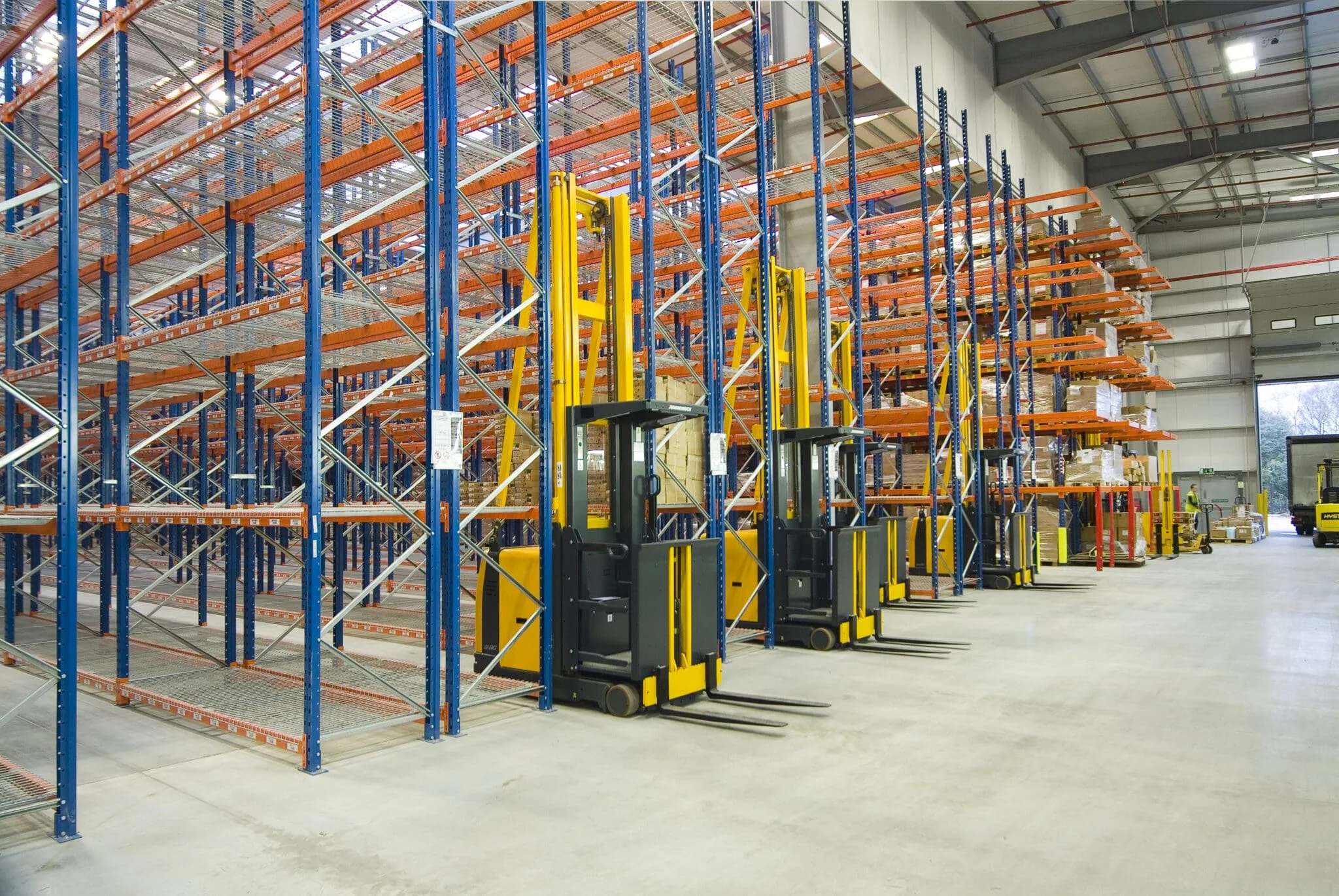
Warehouse accidents are expensive, disruptive, and often completely preventable through intelligent design choices.
However, many businesses only discover this after their first serious incident, when the real cost of cutting corners becomes painfully clear.
Smart warehouse design isn’t about ticking regulatory boxes (though this is obviously key) – it’s about creating environments where people can work efficiently without risking life and limb.
Here’s what every warehouse operation must understand about health and safety.
Understanding Your Legal Obligations
The Health and Safety at Work Act 1974 forms the backbone of workplace safety law, placing clear responsibilities on employers to protect workers and visitors.
Employers must conduct thorough risk assessments, provide appropriate training, and maintain safe working environments.
The Provision and Use of Work Equipment Regulations (PUWER) specifically govern the safety of machinery and equipment, while other regulations apply to specific business operations, such as chemical handling, working at height, and so on.
For example, ventilation systems control both air quality and temperature, particularly important when hazardous substances require special handling under COSHH regulations.
Failing to meet these standards is a criminal offence, with penalties ranging from enforcement notices to prosecution. If it’s shown that the employer was non-compliant in any sense, legal action can be unforgiving.
The Big Four Common Warehouse Hazards
Warehouse incidents typically fall into predictable categories, each addressable through design:
- Manual handling injuries represent the largest category, with lifting and moving causing more injuries than any other category each year. Solutions include optimising storage heights, providing mechanical aids, and segregating handling zones.
- Slips, trips, and falls occur when floors become contaminated or obstacles block walkways. Immediate cleanup protocols, appropriate drainage, and designated storage areas are shown to dramatically reduce these incidents.
- Vehicle collisions between forklifts and pedestrians remain common. Segregated traffic routes, clear sightlines, and appropriate signage are key to safety when vehicles are on the factory or warehouse floor.
- Falls from height are key when using any form of balcony or mezzanine floor, with specific attention to guardrails and barriers.
However, hazards ultimately vary widely depending on the building and operations.
Building Regulation Compliance
Designing safety into warehouse operations isn’t something you can retrofit later – it needs to be baked into the project from day one. We bring nearly five decades of experience to the table, meaning we understand exactly how health and safety regulations intersect with practical warehouse design.
When we take on your project, you’re not just getting a mezzanine floor or office fit-out – you’re getting comprehensive expertise that covers every aspect of safe warehouse design:
- Complete project management from initial design through to final installation, handling all health and safety compliance and building regulations
- Bespoke mezzanine solutions that meet current load limits, fire resistance standards, and escape route requirements
- Integrated services, including cabling, lighting, ventilation, heating, and equipment relocation, to minimise operational disruption
- Multi-sector experience across industrial, production, retail, and office environments, so we understand the unique safety challenges each presents
We schedule work to keep disruption to a minimum and ensure the finished result is delivered on time and within budget.
Ready to design safety into your warehouse operation? Call the Spaceway team for expert advice on creating compliant, efficient, and safe working environments.