
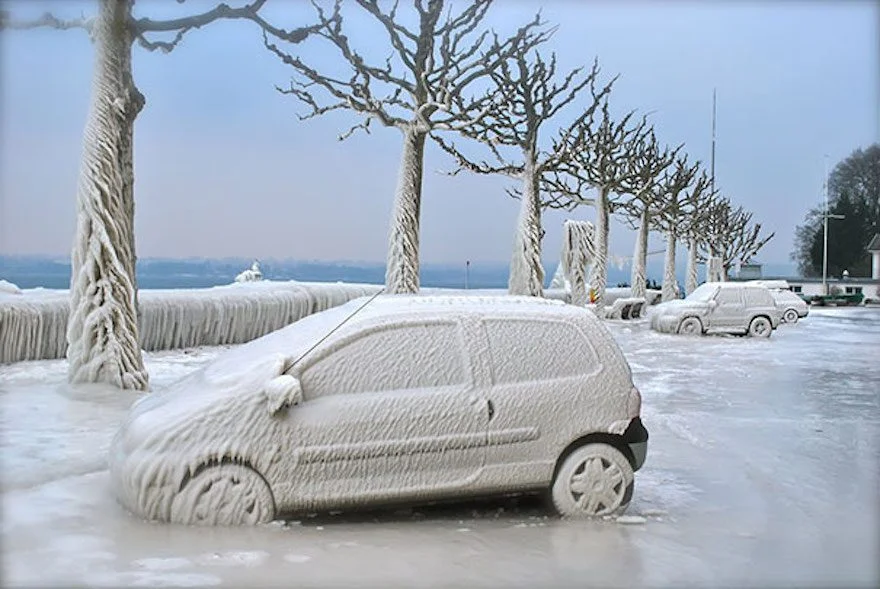
Running late, forgot to defrost your windscreen? Ever used a bank card to scrape the ice when you can’t find your ice scraper? Driven by looking out of the smallest hole in the windscreen only to get blinded by the sun or with your windows down so you can see to get out of a junction?

If you answered yes to any of these you’ll understand the frustration of driving to and from work in the winter. Dark mornings, longer nights, icy surfaces… But none of this is ideal or safe, especially when you are trying to get to work on time. So, here are a few tips to keep you road safe this winter.
1. Plan your Journey
So many people overlook the importance of planning a journey. Factoring in possible traffic problems, allowing time for road closures, even cows in the middle of the road if you’re in the country. Just taking ten minutes out of your day to plan your journey can be such an important thing and keep you prepared for all eventualities. Make sure that you listen to local news stations or switch your TA on in your car; that way if there is a delay of any sort you can divert accordingly.
It goes without saying that if a news station advises you not to travel unless necessary, then it is essential that this advice is taken.
2. Check your vehicle
With a drop in temperature, comes an increase in icy surfaces and freezing windscreens so it is extremely important to have your car’s anti-freeze tested before winter arrives (or now if you haven’t yet.) It is also important to check that all your car’s basic functions are working well; including the breaks, lights, wipers, fluid and oil and things such as tyre pressure. A normal car service will cover all of this but it is just as easy to check yourself at no cost. It may seem obvious, but it is easy to forget simple things such as making sure you have enough petrol for your journey (and extra for emergencies) and making sure that your mobile phone is fully charged before setting off.
3. Be mentally ready
Driving in the winter is extremely different to driving in the summer, so it is important not to drive how you normally would. Stopping distances increase with a wet/icy surface and cars are even more prone to skidding. If snow hits, then it is extremely important to reduce driving speeds and allow plenty of time to brake at junctions or at traffic lights. Remember: Speed limits are a limit and not a goal to reach and that’s on a normal day.
It’s easy to forget the most obvious things when you find yourself in a dangerous situation. But just remember: The emergency services will always be at hand if you ever get into a serious problem.